
When trying to create a healthy lifestyle, being active and working out is just one aspect of the puzzle. You must also try to have a balanced diet and be getting the proper nutrition. This is where supplements come in and can be very helpful at reaching your goals.
What are supplements?
Supplements come in a variety of ingredients, shapes and sizes. There are many which i will cover later on that do different things. The main idea behind supplements is to load up your body on different nutrients before during and after your workout, depending on the product, in order to give your body the strength it needs to do more intense workouts and to recover from them quicker while boosting muscle growth.
Multi-Vitamins
Multi-vitamins are pretty commonly known, but for those who don't know what they are or want to get a better idea here it is. Usually they come in a pill and are taken once a day, some brands may separate ingredients into multiple pills (which honestly is a hassle to be swallowing five pills at once each day but to each their own). As the name implies, multi-vitamins are multiple vitamins put into on(or more) pills for convenient intake. There are many ingredients and usually in high dose so that your body will absorb as much as it will allow, with main emphasis on essential vitamins. While your body will be thankful to be receiving more vitamins it will also thank you for the added aminoacids which help digest protein and promote muscle growth. Many of these contain fish oil which has been known to have great health benefits and was popular a few years back.
I recommend adding a multi-vitamin to your supplement shelf if you're not already taking one. It won't be an "instant growth" type of supplement but it should help your body and mind become stronger and sharper. If you're just starting to get fit or have been in the gym for years this is a product that anyone can gain from.
Whey Protein
Ahhh protein. Protein is the king of supplements. Everyone's body needs protein to survive and grow; usually taken from meats or dairy products but are you getting enough? Protein is muscle fuel, it's what feeds your muscles and if taken soon enough after a workout will help their recovery. Now understand that not all protein is created equally; there are different types of protein but whey, soy and casein being the most used.
Whey protein is a fast digesting protein that usually contains low levels of fat, sugar and calories while having a decent amount of carbs. Most brands tend to have a range of 20 to 30 grams of pure whey protein in each serving; while also containing 3 to 5 grams of BCAAs (which I will cover later) and a small dose of various vitamins depending on the product.

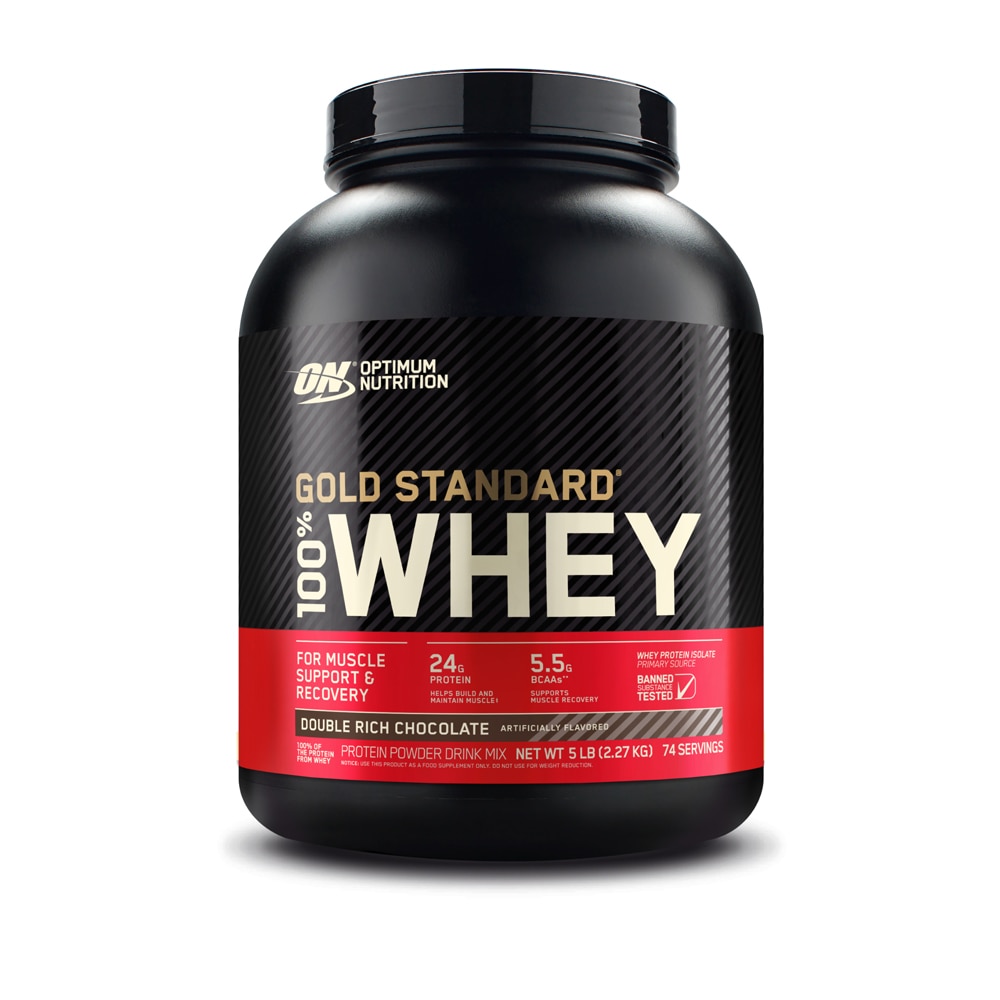
Now why whey protein is so highly coveted is because it's fast digesting. Taken before and/or after a workout is the ideal use because not only will it give your body fuel for the job but it will help recovery for after. The body has a limited window of time after exercise to optimize and fully absorb protein in order for it to give the desired effects and proper use. This is why being fast absorbing is key to whey protein; if taken up to 30 minutes after a workout it will be put to work right away and your body will use it to rebuild the damaged muscle tissues.
I recommend using whey protein to anyone who exercises on a regular basis, including a form of weight training in the workout. There are many different brands and doses; depending on your specific needs and workout intensity try a few different ones and find what works best for you.
Casein Protein
So if whey protein is fast digesting you're probably thinking Casein is slow, and you're correct. But then you're wondering, well why would I want that if it doesn't fuel my body quick enough? Well there are reasons for wanting a slow, steady protein in your diet. Casein comes from the protein in milk and dairy; it has the ability to gel while being digested to steadily release protein and BCAAs over long periods of time. As with whey, many brands are in the 20 to 30 grams of protein range along with 3 to 5 grams of BCAAs while keeping calories, fat and carbs lower than most whey products.
So those reasons for wanting to use casein? If you're a monster in the gym and are truly training intensely casein will be a sidekick. When constantly burning calories and pushing your body's limits it will need the extra fuel, all day long. ALL DAY! So casein is often used for heavy trainers for all day, and more importantly all night, protein to help build the muscle. Now why I say all night is because even while you're asleep you're body is working and processing nutrients. This is why a slow digesting protein can be helpful for those who can't feed their body enough and is ideal for between meals and before bed.
I only recommend using casein if you truly need it, it shouldn't be your main source of protein but a secondary for extra strength and nighttime feasting. This is mainly because it won't aid as thoroughly as whey protein directly after workouts and lets be honest, this stuff isn't cheap. So unless you're going into beast mode, casein can be left on the store shelf and not in your supplement stash.
Creatine
Now if protein is the king, creatine is a superhero. Never hear of creatine? Well it's one of the biggest supplements in the body building world the last few years, being the target of much debate over it's qualities and effects. Creatine's primary use is to gain muscle mass fast, add it to your protein shake and you have the dynamic duo to get you pumped up.
There have been much debate on kidney and liver risks from creatine but much of which has been dismissed; creatine is(in most cases) completely safe to be taken in reasonable doses daily. Now there are arguments that creatine doesn't actually cause muscle growth but just causes the muscles to retain water. This is true, but for the wrong reasons. Creatine does cause your muscles to retain water but this does not mean false gains from the product, it simply means that your body is staying hydrated and healthy. The human body is between 50-60% water and it is essential for healthy growth; bigger, stronger muscles because they are being maintained properly.
So if you're weight training on a consistent basis and are trying to gain mass, creatine is right for you. It won't help achieve the goals of someone who is trying to shed weight or become more toned through a cardio based routine so if that's the case I don't recommend using this product.

So if you're weight training on a consistent basis and are trying to gain mass, creatine is right for you. It won't help achieve the goals of someone who is trying to shed weight or become more toned through a cardio based routine so if that's the case I don't recommend using this product.
BCAAs
BCAA stands for Branched-Chain Amino Acids. These acids are what breaks down protein for the body's absorption, being key in digestive health. Not only that but there have been many benefits known from BCAAs such as maximizing fat loss, retaining muscle mass and boosting energy levels.

There are many products as you've probably noticed through reading this article that contain BCAAs, which is just a testament to all they do. There are many products on the market that contain decent servings of BCAAs and also some focused on it. If you're finding yourself in need of energy for longer workouts you can take extra servings of one of these products but I myself don't find it necessary to spend the extra $25 on something that I'm already receiving though my protein. But I do however highly recommend using some product that contains BCAAs.
So those are some of the main supplements being used today, there are many different brands and forms to choose from so if you're going down that road do some research and read reviews to find what you think is best for your needs.
DISCLAIMER: I am not a medical doctor, any recommendations are from personal experience and should be treated as such. Some products may contain allergens.
